

Waterproof Vinyl Flooring for Basement Renovations in Pocatello
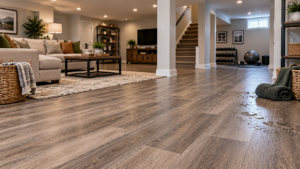
A finished basement can add valuable living space to a home. It might become a family room, home office, guest area, playroom, entertainment space, or a combination of several uses. But below-grade rooms come with flooring considerations that are different from those on the main level.
Moisture is one of the biggest. Concrete slabs, plumbing, seasonal conditions, and unexpected leaks all make it important to choose flooring with the basement environment in mind. Homeowners also want something comfortable to live with, easy to maintain, attractive enough for a finished room, and durable enough for everyday traffic.
That combination has made waterproof vinyl flooring a popular option for basement renovations.
For homeowners in Pocatello, where homes experience four distinct seasons and cold winters, choosing a floor suited to practical everyday conditions can make the renovated space more useful throughout the year.
At Wall 2 Wall Flooring, homeowners can compare in-stock flooring styles, explore realistic wood and stone looks, and get professional guidance before moving forward with installation.
Here is what to consider when choosing waterproof vinyl for a basement and how to create a finished space that feels like a natural extension of the rest of your home.
Why Basement Flooring Requires Extra Thought
A basement may look like any other room once it has finished walls, lighting, and furniture, but its position below ground changes the flooring conversation.
Many basements have concrete slab floors. Concrete can interact with ground moisture and indoor conditions differently from a wood-framed floor on an upper level. Basements can also be vulnerable to plumbing leaks, foundation seepage, condensation, or other moisture issues depending on the home.
That makes moisture management an important first step in any basement flooring project.
Waterproof flooring can help protect against many everyday surface spills, but it is not a substitute for correcting an existing moisture problem. If the basement has signs of water intrusion, persistent dampness, visible staining, musty odours, or known foundation or drainage concerns, those issues are worth investigating before new flooring is installed.
The goal is to start with a suitable environment rather than expecting the finished flooring to solve a building problem underneath it.
Think About How the Basement Will Be Used
The room’s purpose also affects the flooring choice.
A children’s playroom may need to handle toys, spills, and frequent cleaning. A family entertainment area might see food, drinks, pets, and gatherings. A basement office needs something attractive enough to create a finished workspace. A guest room may prioritise warmth and comfort.
Many basements serve several purposes at once.
Vinyl works particularly well in those situations because wood-look planks can create a consistent foundation across multiple zones. The same floor can extend from a family seating area into a game space or office without introducing several different flooring materials.
That visual continuity can make the basement feel larger and more intentional.
Why Waterproof Vinyl Is Worth Considering for Basements
Water resistance is an obvious advantage of vinyl, but it is only one reason homeowners consider it for below-grade spaces.
Modern vinyl flooring combines practical performance with a much broader range of visual choices than many homeowners expect.
Protection From Everyday Surface Moisture
Many vinyl flooring products are designed to resist water, and certain products are marketed specifically as waterproof.
That can be reassuring in a basement where a drink may spill during movie night, wet shoes may come downstairs, or a utility-area mishap could introduce surface moisture.
It is still important to understand what “waterproof” means for the particular product.
A waterproof plank does not waterproof the entire basement. Water can still move around walls, beneath flooring, through transitions, or from structural and plumbing problems. Product warranties and installation instructions may also set specific conditions for use.
For that reason, we recommend looking at waterproof performance as one part of a broader moisture-management plan.
Easy Everyday Maintenance
Basements often become some of the busiest informal areas in a home.
Kids play there. Pets follow the family downstairs. Snacks appear around televisions and game tables. Hobby projects create debris. Exercise rooms see frequent foot traffic.
Vinyl flooring is generally straightforward to care for. Routine sweeping or vacuuming helps remove grit and loose dirt, and manufacturer-approved cleaning methods can handle normal household messes.
Promptly cleaning spills remains good practice even when the floor itself is waterproof.
A Finished Residential Look
Choosing practical basement flooring does not mean settling for an industrial appearance.
Today’s vinyl products can recreate a broad range of natural materials, particularly hardwood. Oak-inspired planks, warm brown tones, subtle rustic visuals, lighter natural colours, and contemporary wide-plank looks can make a basement feel more like finished living space than an afterthought.
Stone and tile visuals are also available for homeowners who prefer a different aesthetic.
The right design can connect the basement visually to the main level while still giving it its own personality.
What to Check Before Installing Vinyl Over a Basement Slab
The finished floor is only as successful as the surface beneath it allows it to be.
Before installation, the basement slab needs to be assessed for conditions that may affect the flooring system.
Look for Existing Moisture Problems
Signs of recurring basement moisture deserve attention before the flooring is selected.
That can include visible water, damp areas, staining, efflorescence on concrete, recurring musty smells, or evidence of previous water intrusion.
If the source is a plumbing leak, drainage issue, foundation problem, or another building-related concern, addressing that cause comes first.
Waterproof flooring can cope with many situations at its surface, but installing it over an unresolved moisture problem may simply hide the problem temporarily.
Check the Subfloor Condition
A concrete floor can appear relatively flat from across the room but still have dips, high points, cracks, or surface imperfections that affect installation.
Each vinyl product has its own requirements regarding the substrate underneath it.
Professional installers can evaluate whether preparation is necessary and determine what is appropriate for the selected flooring system.
This preparation stage may not be the most visually exciting part of a basement renovation, but it has a major influence on how the finished floor looks and performs.
Follow Product Requirements
Not every vinyl floor is installed in exactly the same way.
Some systems float, while others use different installation methods. Requirements for subfloor preparation, moisture testing, underlayment, room conditions, expansion spacing, and transitions can vary by manufacturer and product.
That is one reason professional installation is worth considering for a basement.
Rather than relying on assumptions about what vinyl can tolerate, the installation can be matched to the specifications of the actual product being used.
Choosing the Right Vinyl Flooring for Your Basement
Once the basement itself is ready, the more enjoyable part of the process begins: deciding how the room will look.
Wall 2 Wall offers a broad selection of Vinyl Flooring options, including wood-look styles that can suit everything from rustic family rooms to cleaner contemporary spaces.
A few design decisions can help narrow the selection.
Light Flooring for a Brighter Basement
Basements usually receive less natural daylight than rooms above ground.
That makes lighter flooring particularly appealing when the goal is to keep the room feeling open and bright.
Natural oak looks, beige-toned wood visuals, soft greige colours, and lightly weathered finishes can reflect more light visually and create an airy foundation for the room.
Pair them with light walls, warm lighting, and simple furniture for a basement that feels comfortable rather than enclosed.
Warm Wood Looks for a Cosier Space
Not every basement needs to look brighter.
For a movie room, family lounge, or entertainment area, warmth may be the priority.
Medium oak, honey brown, walnut-inspired tones, and rustic wood looks can create a cosy atmosphere that works particularly well with upholstered furniture, blankets, stone accents, and warmer wall colours.
These designs also fit naturally with the mountain-modern and rustic aesthetics popular throughout Utah and Idaho.
Wide-Plank Looks for Visual Continuity
Larger plank visuals can help a basement feel calmer and less visually busy.
They can be particularly effective in open basement layouts where several activities share one large space.
Continuing the same vinyl through the family area, game zone, hallway, and office can reduce visual breaks and make the entire level feel more connected.
Consider the Room’s Lighting
Always evaluate flooring with the basement’s actual lighting in mind.
A sample that looks medium brown under bright showroom lighting may appear significantly darker in a basement with small windows.
Take-home samples or room visualisation technology can help narrow the possibilities. Wall 2 Wall also offers Roomvo, allowing homeowners to preview flooring styles in their own rooms using a photograph.
Seeing flooring alongside the wall colour, furniture, cabinets, or built-in features makes it easier to judge whether the undertones work together.
Pocatello’s Seasons and Your Basement Flooring
Eastern Idaho’s seasonal conditions make practical flooring choices especially relevant.
Winter brings cold temperatures, snow, wet boots, and road grit. Families moving between outdoor recreation, garages, entrances, and finished living areas can carry that moisture and debris through the home.
A basement used as an everyday family area needs to fit that lifestyle.
Entry mats and regular cleaning can reduce the amount of grit reaching the floor. If an exterior basement entrance is present, giving that area additional attention during winter can help keep moisture and debris under control.
Basements can also feel cooler because of their location below grade and because concrete slabs can remain relatively cool.
The flooring choice is therefore only one part of creating a comfortable basement. Insulation, heating, humidity control, furniture, rugs, and lighting all contribute to the finished environment.
For a Pocatello family converting previously unfinished space into a playroom, television room, office, or guest area, thinking about year-round use can lead to better decisions than designing only for how the space feels in summer.
Vinyl’s practical qualities fit well with that approach. It offers an easy-to-maintain surface while allowing homeowners to create a warm wood appearance rather than leaving the basement feeling cold or utilitarian.
Designing a Basement That Feels Like Part of the Home
One common renovation mistake is treating the basement as a completely separate design project.
A basement does not need to match the main level exactly, but carrying a few visual elements downstairs can make the whole home feel more cohesive.
Repeat Undertones
If the main level uses warm wood, look for vinyl with similar warm undertones rather than trying to copy the exact flooring.
If the upstairs design is lighter and more contemporary, natural oak or pale wood visuals can continue that general feeling.
This creates a relationship between the floors without forcing them to be identical.
Use Rugs for Comfort and Zoning
Waterproof vinyl can cover the main floor area while rugs add softness where it matters.
A large rug can anchor a family seating zone. A smaller rug can define a home-office area. A washable rug may be useful in a children’s play space.
This gives homeowners the practicality of vinyl while adding comfort and visual separation.
Layer the Lighting
Basement design depends heavily on lighting.
Rather than relying on one bright overhead source, combining ceiling fixtures with floor lamps, table lamps, and task lighting can create a more inviting room.
Warm wood-look vinyl often responds particularly well to layered lighting because different light levels highlight grain and colour variation.
Think About Future Uses
A playroom today could become a teenage hangout or home office later.
A basement gym could eventually become a guest room.
Choosing a versatile, neutral vinyl design can make it easier for the space to evolve without requiring another flooring replacement simply because the room’s purpose changes.
Why In-Stock Flooring Matters During a Basement Renovation
Basement projects have a way of growing.
What starts as a flooring update may involve painting, drywall, lighting, trim, furniture, storage, or other improvements. Coordinating all of those pieces becomes easier when key materials are actually available.
That is where Wall 2 Wall’s #inventorymatters approach can make a difference.
Wall 2 Wall carries thousands of square feet of flooring in stock. If a suitable waterproof vinyl product is available in the quantity needed for the basement, homeowners may be able to move towards installation without waiting for a special-order floor to arrive.
Availability naturally depends on the specific product, colour, quantity, and current showroom inventory.
Still, having in-stock options can be valuable when the project has a deadline or when homeowners simply want their usable living space back as quickly as practical.
It also gives customers the opportunity to compare real flooring before making a decision.
For a basement, where lighting and room conditions can make colours look different from an online photograph, being able to evaluate the product carefully can help avoid design surprises.
A professional estimate can then establish the required quantity and identify preparation or installation details before work begins.
Common Questions About Waterproof Vinyl in Basements
Is waterproof vinyl suitable for a basement?
Waterproof vinyl can be an excellent flooring option for many finished basements. The basement itself needs to be suitable for flooring installation, and any existing leaks, seepage, or moisture problems are worth correcting first.
Does waterproof vinyl prevent basement water damage?
No flooring product can substitute for proper waterproofing, drainage, plumbing maintenance, or foundation repairs. Waterproof vinyl is designed to resist water at the flooring level, but it does not make the entire room or structure waterproof.
Can vinyl be installed directly over concrete?
Many vinyl flooring systems can be installed over suitable concrete substrates, but preparation and installation requirements vary. The slab needs to meet the selected manufacturer’s requirements, including applicable moisture, flatness, and surface conditions.
What colour works best in a basement?
Lighter wood visuals can help a basement feel brighter, while medium warm tones create a cosy atmosphere. The best choice depends on natural light, artificial lighting, wall colours, furniture, and the overall style you want.
Is vinyl a good choice for basement family rooms?
It can be. Vinyl offers easy maintenance and a wide range of wood-look designs, making it useful for family rooms where spills, pets, children, entertainment, and regular foot traffic are part of everyday life.
Can area rugs be used over vinyl?
In many cases, yes, but rugs and rug pads need to be compatible with the specific flooring. Following the manufacturer’s recommendations can help avoid unwanted reactions or discolouration.
Create a Basement Designed for Everyday Living
A successful basement renovation does more than cover a concrete slab. It turns underused square footage into a comfortable part of the home.
Waterproof vinyl flooring can provide a strong foundation for that transformation. It offers practical resistance to everyday moisture, straightforward maintenance, durable options for active households, and wood-look designs that can make below-grade rooms feel warm and finished.
The important first step is making sure the basement itself is ready. Existing moisture issues need to be addressed, the substrate needs to be evaluated, and the selected flooring needs to be installed according to its specific requirements.
From there, colour, plank style, lighting, rugs, furniture, and other design choices can turn the space into anything from a family room to an office or guest retreat.
For Pocatello homeowners, choosing flooring with four-season family life in mind can make that renovated space more practical throughout the year.
Wall 2 Wall Flooring’s in-stock inventory can also help keep the project moving. When the right floor is already available, #inventorymatters can mean less time waiting for material and more time enjoying the finished basement.
Ready to explore options for your basement renovation? Contact us to check current inventory, visit a showroom, or request a free estimate.